

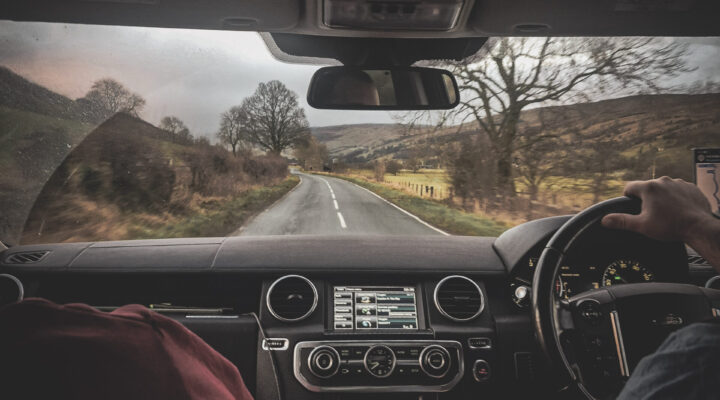
If you’re curious about green laning, you’re not alone. Most people call it off-roading, but it’s really green laning—travelling on legally accessible, unsurfaced rights of way with care for the countryside and everyone who enjoys it. This Beginner’s Guide to Green Laning walks you through what to expect on your first trip so you can set out confidently, safely, and sustainably.
1) What green laning actually is
Green lanes are historic tracks and byways. Because they’re part of our shared rural heritage (not purpose-built playgrounds), respect is everything: for the land, for local communities, and for other users. At All Terrain UK, our mission is eco-friendly enjoyment of the countryside—working alongside councils and landowners, promoting good practice, and building a welcoming community. Learn more on our About Us page.
2) Choosing a sensible first route
For your first outing, keep it simple:
- Pick a short, well-known lane with easy access.
- Avoid deep ruts, tight climbs, and heavy water crossings until you’ve built experience.
- Travel in a small group—two or three vehicles is ideal.
Joining a guided day with us removes the guesswork and ensures you’re on legal, suitable routes. Check out our upcoming Events.
3) Vehicle prep (no huge mods needed)
You don’t need an extreme build to begin green laning. A standard, well-maintained 4×4 is enough for many legal lanes. Before you go:
- Check fluids, lights, and tyres (tread and pressures).
- Ensure you have solid recovery points front and rear.
- Pack a rated tow rope/strap, shackles, and a jack that works on uneven ground.
- Bring paper maps or reliable GPS with legal byways marked—and a backup power bank.
4) What to bring on the day
- Weather-ready clothing and sturdy footwear
- Food, flasks, and plenty of water
- First aid kit and basic tools
- Gloves, head torch, and a rubbish bag (leave no trace)
- Phone/radio and a printed plan shared with your group
5) Green laning etiquette (the sustainable bit)
Responsible behaviour keeps lanes open for everyone:
- Stick to legal, mapped routes and stay on the track—no verges or fields.
- Slow right down for walkers, cyclists, and horses; switch off engines if needed.
- Tread lightly in wet conditions; if a lane is vulnerable, choose an alternative.
- Shut gates, avoid noise, and respect local residents.
- Small groups only; space out to reduce surface impact and dust.
We cover these best practices in our community sessions—see the latest Events to join a workshop.
6) What the day feels like (spoiler: it’s friendly)
Expect calm, steady progress rather than speed. You’ll chat on radios, spot each other through trickier sections, and share lots of laughs. Many people say the friendships are the best part—equal to the views. If you’re brand new, pairing up with an experienced driver builds confidence fast.
7) After the drive
Give your vehicle a quick once-over: wash off mud (especially brakes and radiators), check for any knocks or scrapes, and note tyre pressures. Share feedback with the group about lane conditions—community knowledge keeps everyone safe and considerate.
8) Start your journey with All Terrain UK
Ready to roll? Become part of a welcoming, sustainability-minded community. Explore our About Us, find a day that suits you on the Events page, and consider joining us for guidance, workshops, and friendly group days. Got questions? We’re happy to help via our Contact page.
