

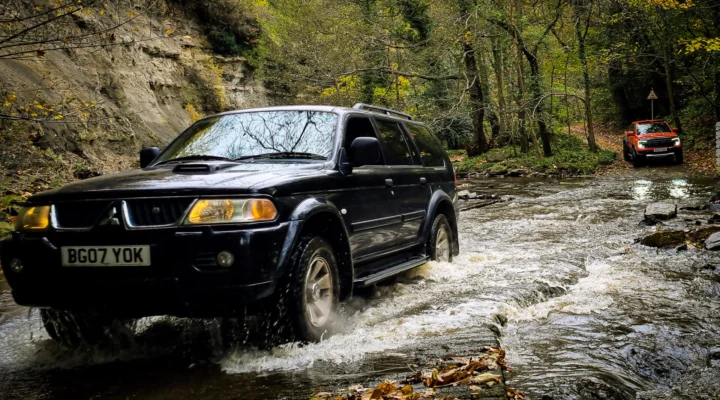
Green laning, the practice of driving on unsurfaced rural roads, offers enthusiasts a unique way to explore the UK’s countryside. However, determining where you can legally drive can be challenging. This guide will help you understand how to find legal green lanes and introduce you to Smart Trail, a tool designed to enhance your green laning experience.
Understanding Green Lanes
In the UK, green lanes refer to unpaved rural routes, often ancient pathways, that are legally accessible to vehicles. These include Byways Open to All Traffic (BOATs) and some Unclassified County Roads (UCRs). It’s crucial to ensure that any route you plan to drive permits motorised vehicles to avoid legal issues and protect the environment.


Methods to Locate Legal Green Lanes
1. Ordnance Survey (OS) Maps
OS maps are invaluable for identifying potential green lanes. Look for routes marked as BOATs or UCRs. However, always verify the current legal status of these routes, as map indications can be outdated or incorrect.
2. Definitive Maps and List of Streets
Local councils maintain Definitive Maps and the List of Streets, which provide legal records of public rights of way. Accessing these can confirm whether a route is legally drivable. Note that viewing these maps often requires an appointment with the council’s Rights of Way department.
3. Digital Tools and Applications
Modern technology offers various apps and online platforms that display rights of way. While convenient, always cross-reference with official sources to ensure accuracy.

Introducing Smart Trail
To simplify the process of finding legal green lanes, consider using Smart Trail. This tool provides up-to-date information on accessible routes, incorporating user feedback and official data to ensure accuracy and solves the “Where can i find green lanes?” Question.
Features include:
- Interactive Mapping – Easily locate and plan routes with an intuitive map interface.
- User Reviews and Updates – Access recent reports from fellow green laners about route conditions and any restrictions.
- Legal Status Verification – Smart Trail cross-references routes with official records to confirm their legality for vehicular use.

Best Practices for Green Laning
- Verify Route Legality – Always ensure the lane is legally open to motor vehicles.
- Respect the Environment – Stay on designated paths to minimise environmental impact.
- Prepare Adequately – Know your vehicle’s capabilities and carry necessary recovery equipment.
- Stay Informed – Conditions and legal statuses can change. Regularly consult Smart Trail and local authorities for updates.
By utilising resources like Smart Trail and adhering to responsible practices, you can enjoy the adventure of green laning while preserving these historic routes for future enthusiasts.
